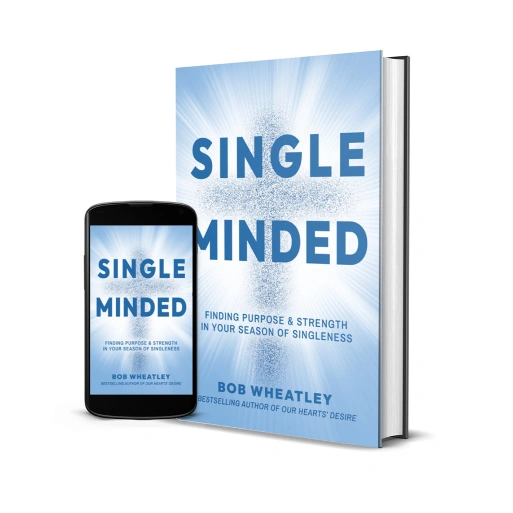
Every author must answer this question: How do you price your book competitively?
At first glance, book pricing might seem straightforward—after all, most books fall within the $10 to $30 range. But there’s more to it than just picking a number. Where do audiobooks fit in? What about eBooks? And most importantly, how do you position your book in a way that makes sense for your readers and your business? Let’s break it down.
The Reader’s Perspective: Is This Book Worth It?
Picture yourself walking through an airport bookstore. You scan the shelves, glancing at covers, flipping through pages. Maybe you’ve heard of a particular author, maybe you haven’t—but the question running through your mind is the same: Is this worth it?
For most readers, book pricing isn’t just about the cost of a paperback; it’s about value. When someone considers spending $20 on a book, they’re not just thinking about that purchase—they’re comparing it to everything else they could do with that money. A coffee at Starbucks. A movie ticket. A month of a streaming service. Your book isn’t just competing against other books; it’s competing against everything else in the reader’s life.
That’s why pricing is a strategic decision—not just a formality.
My First Book: Setting the Right Price
When I published Our Heart’s Desire, I chose a slightly lower price point than what you typically see for a paperback. At $12.99, it was intentional. As a first-time author with a growing platform, I wanted to make it easy for readers to say yes—to remove any hesitation in their minds.
I also crunched the numbers. After researching average state taxes and Amazon fees, I aimed for a final cost that would land below $15, all in. Why? Because perceived affordability matters. I wanted my book to feel like a no-brainer purchase, something a reader could pick up without overthinking.
The Power of Low Prices—and Free Books
In Perennial Seller by Ryan Holiday, he shares a fascinating example of an author who priced his eBook at 99 cents—and his platform exploded as a result. Why? Because at that price, the barrier to entry was virtually nonexistent. Readers didn’t have to weigh the decision; they just bought the book. And once they did, they were far more likely to engage with his content, leave reviews, and follow his work long-term.
It’s a strategy that some authors use to great effect—especially if their book is just one piece of a bigger business.
Amazon’s Secret Weapon: The 5-Day Free Book Promo
If you’re self-publishing through Amazon’s Kindle Direct Publishing (KDP), here’s a little-known feature: You can offer your eBook for free for up to 5 days per quarter.
Why does this matter? Two reasons:
- More Readers, More Reach – If your book is free, there’s literally no barrier to entry. More people will download it, which means more people will read it.
- Verified Purchases & Reviews – Even though the book is free, Amazon still registers each download as a legitimate purchase. That means readers can leave verified reviews, which boost your credibility and help your book rank higher in search results.
It’s a simple yet powerful way to build momentum—especially for new authors.
Are You Selling Books or Building a Brand?
Pricing isn’t just about maximizing book sales—it’s about understanding your broader goals. Ask yourself: What’s my book’s primary purpose?
For some authors, the goal is straightforward: sell as many copies as possible and make a profit directly from book sales. If that’s your approach, and you’re making $5 to $6 per book, selling 100,000 copies could mean half a million dollars in revenue. That’s a legitimate business model.
But for many non-fiction authors—especially in personal branding, coaching, or thought leadership—a book isn’t just a product; it’s a business card.
If you’re a keynote speaker, a consultant, or an entrepreneur, your book serves a bigger purpose: establishing credibility, generating leads, and opening doors to higher-ticket opportunities. A book might sell for $15, but if it leads to a $10,000 speaking gig or a new coaching client, its true value goes far beyond royalties.
So, How Should You Price Your Book?
There’s no one-size-fits-all answer. But here are a few guiding principles:
- First-time author? Consider a lower price point to remove hesitation.
- Want maximum exposure? Use promotional strategies like Amazon’s free book days.
- Building a business? Your book should serve as a lead magnet, not just a revenue stream.
At the end of the day, pricing isn’t about picking a number at random. It’s a strategic decision that shapes how your book is perceived and how your career as an author unfolds.
So as you move forward, take the time to think it through. Run the numbers. Consider your goals. And most importantly—price your book with purpose.
If you have any questions about writing, publishing, or selling your book, shoot me a note via email at hello@bobwheatley.iatdemo.getuwired.com. And remember: The shortest way to a bestselling book is having a bestselling plan.